
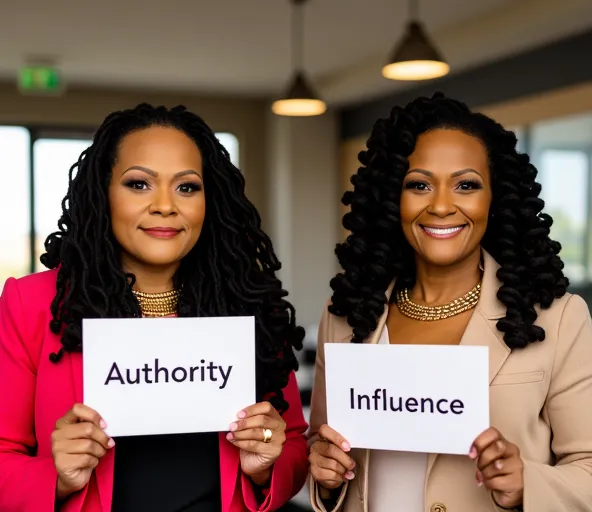
Influence, Not Authority: The Death of Positional Power
Listen to the Insight
Audio generated with Notebook LM
For decades, leadership operated on a simple premise: authority flowed from position. Managers made decisions, teams executed them, and organizational hierarchy provided the scaffolding for accountability. That model is collapsing.
Organizations are flattening at an accelerating pace, eliminating middle management layers in pursuit of efficiency and agility. What remains is a leadership landscape where formal authority is scarce, but the expectation to drive results has never been higher. Managers and directors find themselves leading cross-functional teams, influencing peers they don't supervise, and navigating matrix structures where decision rights are unclear at best. The title still exists. The power it once carried no longer does.
The old approach—"I'm the boss, so do what I say"—doesn't work anymore. This shift exposes a gap most leadership development programs haven't addressed: how to lead when you can't rely on your position to do the work for you.
Influence, not authority, is now the currency of leadership. And influence requires something positional power never did: intentionality.
𝗧𝗵𝗲 𝗹𝗲𝗮𝗱𝗲𝗿𝘀 𝗮𝗱𝗮𝗽𝘁𝗶𝗻𝗴 𝘁𝗼 𝘁𝗵𝗶𝘀 𝗿𝗲𝗮𝗹𝗶𝘁𝘆 𝗮𝗿𝗲 𝗱𝗼𝗶𝗻𝗴 𝘁𝗵𝗿𝗲𝗲 𝘁𝗵𝗶𝗻𝗴𝘀 𝗱𝗶𝗳𝗳𝗲𝗿𝗲𝗻𝘁𝗹𝘆.
First, they’re mapping their influence networks with precision, identifying not just who holds formal power, but who controls information, resources, and trust within the organization.
Second, they’re building relational capital systematically, treating stakeholder relationships as strategic assets rather than transactional necessities.
Third, they’re making influence visible in how they structure their work, embedding stakeholder engagement into project plans, decision-making processes, and team rhythms rather than treating it as an afterthought.
The danger for leaders who don’t adapt is real. When positional power disappears but accountability remains, stress compounds. Work becomes a constant negotiation, and without the skills to navigate that terrain, burnout follows.
The leaders who thrive in flatter organizations aren’t the ones clinging to what authority they have left. They’re the ones who’ve learned to lead without it and discovered that influence, when built deliberately, is far more durable than any title ever was.
The question isn’t whether your title matters anymore. It’s whether you’ve developed the leadership capacity to succeed without it.
𝗪𝗮𝗻𝘁 𝘁𝗼 𝗴𝗼 𝗱𝗲𝗲𝗽𝗲𝗿? I’m breaking this down further on YouTube this month. All videos are about two minutes each.
𝗪𝗲𝗲𝗸 𝟭: The Death of Positional Power. Why your title doesn’t matter anymore
𝗪𝗲𝗲𝗸 𝟮: Assess. Mapping your influence network
𝗪𝗲𝗲𝗸 𝟯: Adapt. Building relational capital without formal authority
𝗪𝗲𝗲𝗸 𝟰: Align. Making stakeholder management a core leadership function
https://www.youtube.com/channel/UC4hBhgC5APL6-bsYV2Nc6YQ
If you’re navigating this shift and need more than an email or a video to figure it out, the next Calibrate Leadership® Institute cohort launches in March 2026.
Here’s to clarity, alignment, and impact in the year ahead.